The Art of Listening in Medicine: A Physician’s Perspective
By drvuslatmusluerdem
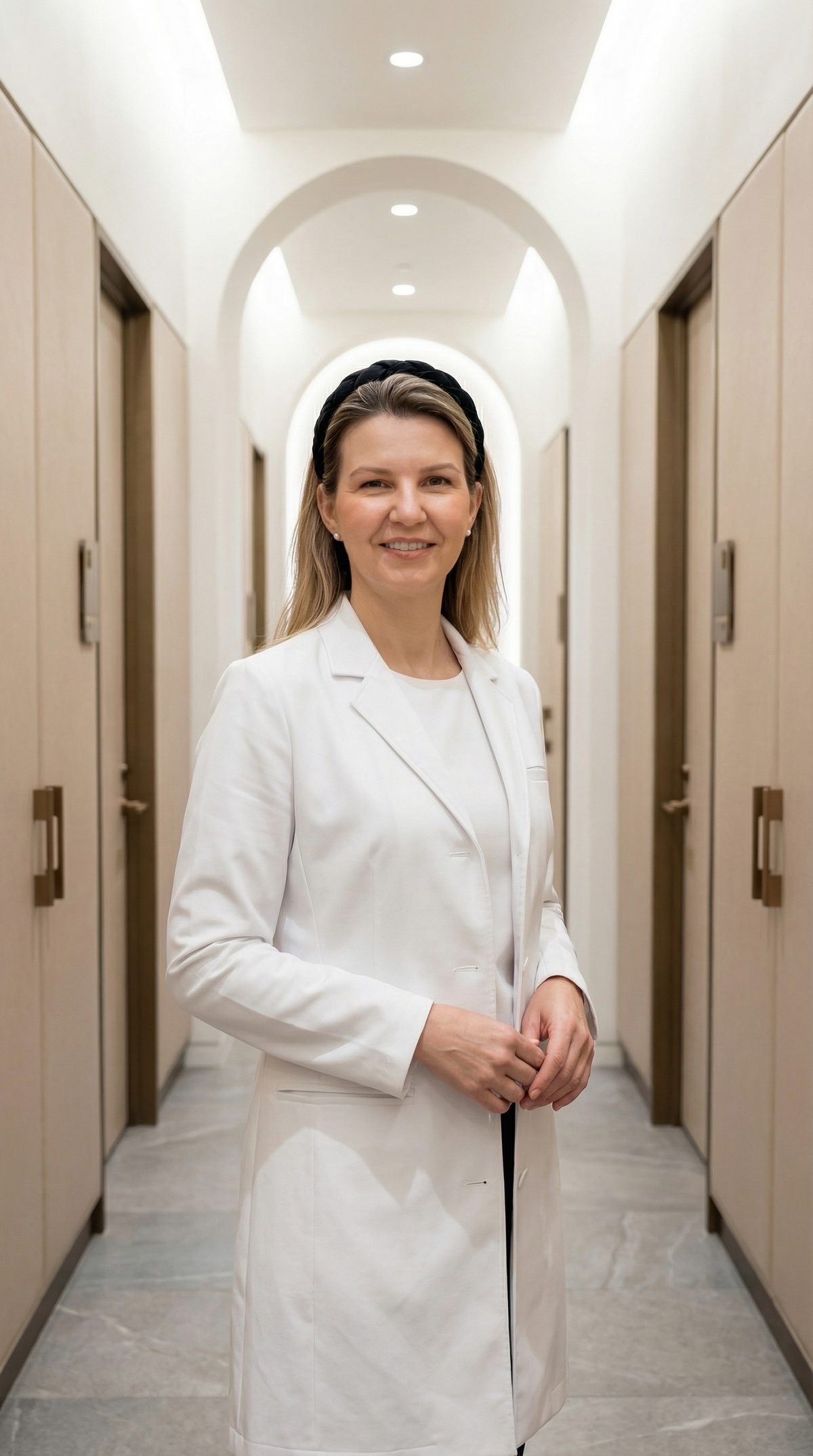
In the fast-paced environment of modern healthcare, where appointments are often measured in minutes and electronic health records demand constant attention, patients frequently report feeling unseen. There is a prevailing sense that the human element is being squeezed out of the exam room. However, at the core of effective healing lies a timeless skill that requires no technology, no prescription pad, and no insurance authorization: the art of listening in medicine.
Sir William Osler, the father of modern medicine, famously advised his students: “Listen to your patient; he is telling you the diagnosis.” More than a century later, this wisdom remains the bedrock of my practice at Kelsey-Seybold Clinic in Sugar Land. True listening goes beyond simply hearing words or cataloging symptoms. It is an active, intentional process that bridges the gap between a biological diagnosis and a human being.
Why Listening Is a Clinical Skill, Not a Soft Skill
Many people assume medical care revolves around prescriptions and procedures. While those elements are necessary, the foundation of effective treatment lies in communication. It is easy to categorize listening as a bedside-manner nicety, something that makes patients feel good but is secondary to clinical expertise. Research tells a different story.
Studies from the Institute for Healthcare Improvement argue that deep, values-driven listening is essential for patient safety and clinician well-being. Contemporary research indicates that up to 74 to 80 percent of diagnoses can be determined from the patient’s history alone. When we rush through the narrative to get to the physical exam, we risk missing the very clues that solve the medical puzzle.
When physicians prioritize the art of listening in medicine, the results are measurable. Patients who feel heard are more likely to provide accurate histories, adhere to treatment plans, and report higher satisfaction with their care. Conversely, when listening fails, miscommunication becomes a leading cause of medical errors.
The Impact on Physician Well-Being
The benefits of listening extend beyond the patient. Physicians who listen with presence and curiosity report reduced stress and increased professional satisfaction. This sense of connection counteracts burnout, a serious issue in modern healthcare. When the clinical encounter feels meaningful rather than transactional, both the healer and the patient are better served.
The Challenge of the 18-Second Rule
Despite the clear value of the patient narrative, the reality of medical practice often falls short. Studies on doctor-patient communication have revealed that on average, physicians interrupt patients within 18 to 22 seconds of the patient beginning to speak.
Why does this happen? It is rarely malicious. Doctors are trained to recognize patterns. As you speak, our brains are rapidly sorting your symptoms into potential diagnoses. We interrupt to clarify, to narrow down the list, or to keep the visit on schedule. However, this task-focused approach can be counterproductive.
When a physician interrupts, the patient often shuts down. You may hesitate to share the second or third concern you brought with you, concerns that might be more serious than the first. This leads to what we call the “door-handle moment,” where a patient, hand on the door to leave, finally says, “Oh, by the way, I have been having chest pain.”
Practicing the art of listening in medicine requires unlearning the urge to interrupt. It demands that I, as your physician, sit down, make eye contact, and create a silence safe enough for you to fill with your truth.
Three Layers of Deep Listening
To truly understand a patient’s health, I believe we must employ different types of listening simultaneously.
The Diagnostic Ear
This is the technical side. When you describe a cough, I am listening for specific descriptors. Is it dry or productive? Is it worse at night? Does it come with a fever? This helps me build a differential diagnosis. It is the baseline requirement for any competent physician.
The Contextual Ear
Health does not happen in a vacuum. Contextual listening involves understanding the environment in which you live. If I prescribe a medication that requires refrigeration but have not listened enough to know you are dealing with unstable housing, my medical advice is useless. Contextual listening asks: what is preventing this patient from getting better? Is it stress at work? The grief of losing a spouse? Financial anxiety? These factors influence physical health just as much as genetics.
The Relational Ear
This is the level where trust is built. It involves listening to the emotion behind the words. A patient might come in complaining of fatigue, but the tone of their voice suggests depression or burnout. By tuning into these non-verbal cues, what is not being said, we can address the root cause of suffering rather than just treating the surface symptom.
How I Practice Listening in Sugar Land
At my practice, treating the whole person means prioritizing this multi-layered approach. When you visit Dr. V, the goal is to move away from a transactional interaction and toward a genuine partnership.
Proximate listening. I make a conscious effort to turn away from the computer screen and face you. Being physically present and undistracted is the first step in earning trust. Barriers destroy communication.
Cultivating curiosity. Instead of running through a checklist of yes-or-no questions immediately, I prefer to start with open-ended inquiries. “Tell me what brings you here today,” or “What are you most worried about regarding these symptoms?” This invites you to tell your story in your own words.
The gift of silence. Silence can be uncomfortable, but it is often where the most important information surfaces. If I ask a difficult question, I try to wait. I give you the space to think and formulate your answer without feeling rushed. This patience signals that your thoughts are valuable to me.
Validation and empathy. Sometimes, medicine cannot resolve a chronic issue immediately. In those moments, the most powerful thing a physician can do is witness the patient’s experience. Saying, “I hear how difficult this has been for you,” validates your struggle and reduces the isolation that often accompanies illness.
Reflecting back. Part of listening well is confirming what I have heard. I summarize what you have told me, not to put words in your mouth but to ensure we are on the same page. This “read-back” approach catches misunderstandings before they become treatment errors.
Your Role in the Conversation
While the responsibility for good listening falls primarily on the physician, the doctor-patient relationship is a two-way street. You can help facilitate better conversations during our appointments.
Prepare your narrative. Before your appointment, jot down the two or three most important things you need to communicate. What is the main problem? How has it changed? What are you most worried about? Having a clear starting point helps us get to the heart of the matter.
Be honest about your goals. What do you hope to get out of the visit? Are you looking for a prescription, a referral, reassurance, or simply someone to listen? Stating your goal helps me direct the conversation where it needs to go.
Do not minimize your symptoms. Patients often try to be easy. They say things like, “It is probably nothing, but…” If it bothered you enough to make an appointment, it is worth discussing. Be direct about the severity of your pain or worry.
Lead with your story. Start the visit by telling me your experience in your own words, before I begin directing the questions. This sets the agenda and gives me the full picture.
Ask for a summary. If you are unsure whether your doctor truly understood you, ask them to summarize what you said. “Just to make sure we are on the same page, can you tell me what you think is going on?” This confirms that the message sent was the message received.
Reclaiming the Human Connection
Technology, artificial intelligence, and advanced pharmacotherapy are changing the landscape of healthcare. We have tools at our disposal that physicians a generation ago could not have imagined. Yet the highest-need patients are often the least likely to be heard.
If we rely solely on technology and neglect the human narrative, we fail. Medicine is not just about fixing broken parts. It is about witnessing the human experience and offering guidance through vulnerability and recovery.
The art of listening in medicine is not a lost art. It is a practice we must actively choose every single day. It requires humility, patience, and a genuine interest in the lives of others.
For me, listening is the gateway to healing. It is how we connect, understand, and ultimately serve better. When you walk into my office at Kelsey-Seybold, I want you to know that you are not just a medical record number. You are a person with a story, and I am here to hear it.
Your story matters. Your health matters. And at our clinic, we are listening.
—
Medical Disclaimer: This article is for informational purposes only and does not constitute medical advice. Always consult with a qualified healthcare provider for personalized medical guidance. To schedule an appointment with Dr. Vuslat Muslu Erdem, call (713) 442-9100.